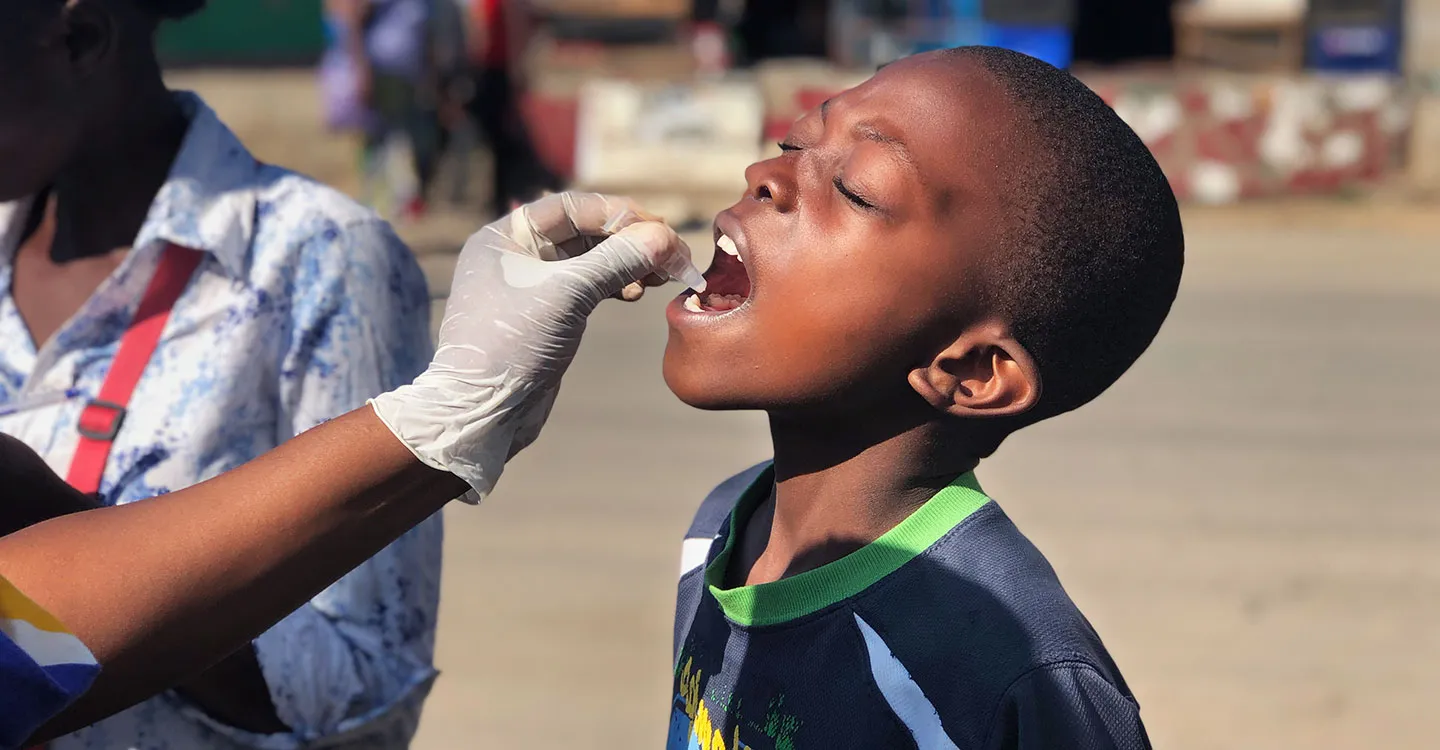
Doctors Without Borders/Médecins Sans Frontières (MSF) has sounded the alarm over a surge in cholera infections in Zamfara State, with more than 1,500 suspected cases recorded between mid-June and early August.
In a statement released in Birnin Kebbi on Thursday, MSF’s Medical Coordinator in Nigeria, Dr David Kizito, confirmed that the cases were reported from three Ministry of Health facilities supported by the organisation, while other parts of the state are also experiencing high incidence rates.
“This outbreak is unfolding in a context of insecurity, displacement, and limited access to clean water and sanitation – exacerbated by the rainy season,” said Kizito, explaining that cholera typically spreads more rapidly in Nigeria between April and October, when flooding contaminates water supplies.
He warned that the disease, which causes acute diarrhoea and vomiting, can lead to severe dehydration and death within hours if left untreated.

In response, MSF has stepped up water, sanitation and hygiene (WASH) interventions in partnership with the Ministry of Health and other humanitarian agencies. The ministry activated a Public Health Emergency Operations Centre on 3 July, focusing on hotspot areas such as Shinkafi, Zurmi and Talata Mafara, where access to safe water is critically limited.
MSF has also helped establish cholera treatment centres and units at general hospitals in Zurmi, Shinkafi and Talata Mafara. From 16 June to 5 August, Zurmi alone recorded 562 suspected cases, while Shinkafi General Hospital treated 401 patients between 11 July and 5 August. More than 600 cases were reported in Talata Mafara between 1 July and 8 August.
Some infections have been traced to neighbouring Sokoto State’s Isa LGA, as well as Anka and Bakura LGAs.
Dr Kizito cautioned that cases could rise further and called for urgent action, including the establishment of decentralised oral rehydration points, enabling primary healthcare centres to handle mild and moderate cases, and the rollout of an immediate vaccination campaign.
“No one should die from a preventable disease,” he stressed, urging full community engagement to halt the spread.